Responding to an RFP: the bidder presentation is the part you prepare least
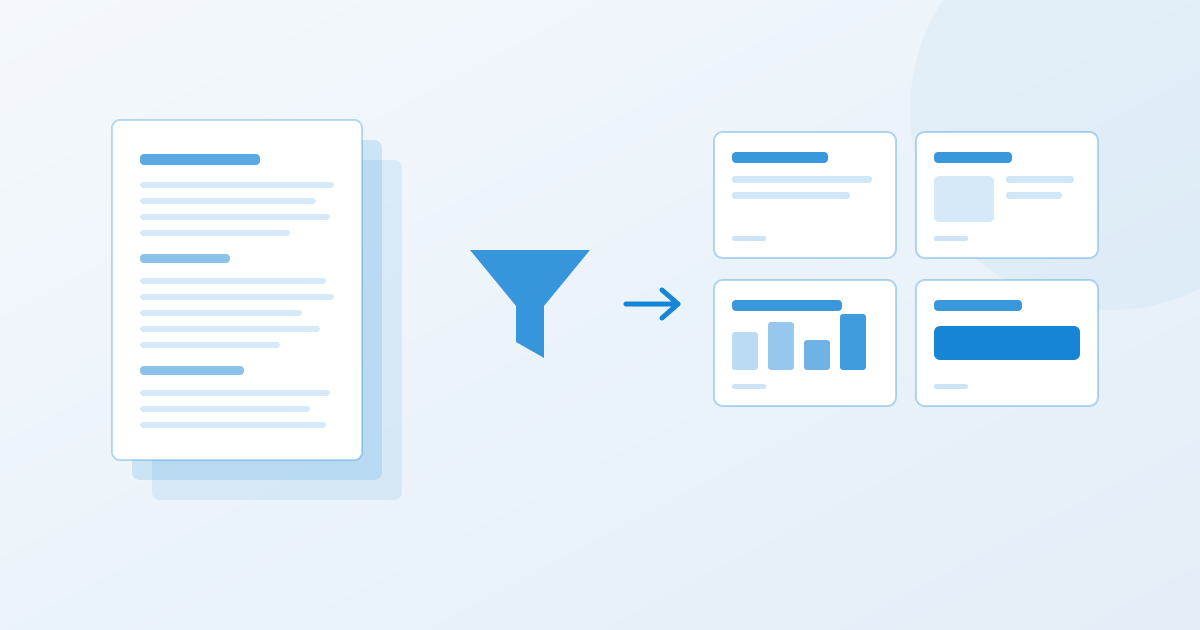
The bidder presentation gets built the night before. The written proposal it accompanies occupied three people for three weeks; the deck is assembled in the hours left over, from slides recycled out of the last submission.
That is a poor trade, for a precise reason. The oral stage is an evaluation moment, usually in front of the people who actually decide, and it is scored. It is not a courtesy add-on.
What the presentation is being used for
This point governs everything else, and it is routinely misread on the bidder side.
Under the EU procurement framework, contracts are awarded to the most economically advantageous tender, identified on the basis of price or cost and, where the authority chooses, the best price-quality ratio. Directive 2014/24/EU provides that this ratio is assessed against criteria including qualitative aspects linked to the subject matter of the contract.
A bidder presentation, where one is held, is a means of assessing those criteria. It is neither a separate charm exercise nor an opportunity to improve the offer. Two practical consequences follow.
It is not a negotiation. In an open procedure the presentation exists to clarify the tender, not to change it. Arriving with the intention of upgrading your proposal is, at best, a waste of everyone's time.
The format is set in advance. Buyers normally circulate the running order, the duration and the topics to be covered, so that all bidders are assessed under the same conditions. That document is the single best source of information you have about what will be scored, and it is routinely skimmed.
The three mistakes that cost points
1. Replaying the written proposal
The most common error by far. The deck follows the proposal's table of contents, section by section, in condensed form.
The panel has read the proposal. They have often scored it before receiving you. Reading it back to them consumes the only time in which you can add something the written document could not carry: the demonstration that the team in the room is the team that will deliver, and that it has understood this buyer's particular situation.
A presentation deck is not a summary. It is a different document, with a different objective.
2. Talking about yourself instead of the need
The commercial reflex produces the same first six slides every time: who we are, our references, our certifications, our headcount, our locations, our values.
All of that is already in the qualification submission. Repeating it aloud burns a quarter of the allotted time restating what the panel has already accepted; otherwise you would not be in the room.
The useful inversion is mechanical: open with what you have understood about their situation, and mention yourself only as the answer to a specific part of their need.
3. Improvising the Q&A
In most panels, the exchange carries as much weight as the presentation itself, sometimes more. It is nonetheless the only part nobody rehearses.
Useful preparation is not revising your own submission; it is anticipating the three uncomfortable questions: the known weak point of the offer, the price gap against the likely competitor, and the real capacity to hold the schedule. Those three come up almost every time. Answering with a prepared appendix slide rather than an improvisation changes the perception of control.
The structure that works
An effective presentation deck holds five blocks, and rarely more than fifteen slides.
First, your reading of their need. Two or three slides: what you have understood of their context, their constraints, what prompted the procurement. This is the block that differentiates most, because it cannot be copied from one bid to the next.
Second, the solution, on the points that concern them. Not the whole method: the three or four areas the tender documents emphasise.
Third, the team that delivers. Named, with roles and the time allocated. The panel's implicit question is always: "are the people in front of us the ones who will do the work?"
Fourth, the plan and the milestones. A legible schedule, with control points and what is expected of the buyer.
Fifth, the risks, owned. The block almost nobody includes, and the one with the greatest effect. Naming two real risks and how they are handled inspires more confidence than a submission with no rough edges, which nobody believes.
And in the appendix, separate from the main flow: prepared answers to the uncomfortable questions, technical detail, comparable references.
The real constraint: the clock
Here is the operational problem every team that bids regularly runs into.
The invitation arrives at short notice. The written proposal runs between forty and a hundred pages. From it you must derive a fifteen-slide deck, on the corporate template, in a format that varies by buyer, sometimes with an imposed slide count or duration. And you must redo it for every procurement, knowing the proposal changes each time.
This is derivation work, not creation. The material already exists: in the proposal, in the tender documents, in the sales team's notes. The work is selecting it, reorganising it around the oral stage's own objective, and putting it into format.
That is the kind of task that can be delegated. Paul takes the written proposal, the tender documents and your notes as input, and builds the deck on your corporate template, then regenerates it when scope shifts or when the next buyer imposes a different format. The mechanics are set out on the RFP response use case.
What cannot be delegated
Two things, and they are the ones that win.
The first is reading the need. Understanding why this buyer is procuring now, what difficulty they are trying to resolve, what disappointed them about their previous supplier: that comes from conversations, from early market engagement, from the field. No tool produces it.
The second is the decision not to bid. Teams that are selective about which procurements they enter win a higher share of what they submit, for the obvious reason that they concentrate their preparation time where they hold an advantage. Automating production makes that discipline more necessary, not less: when bidding becomes cheap, the temptation to bid on everything rises, and the average falls.
The right use of automation is not more bids. It is more thinking time on the bids that matter, and particularly on the hour spent in front of the panel.
Sources
- Directive 2014/24/EU on public procurement: award on the most economically advantageous tender, best price-quality ratio, qualitative criteria linked to the subject matter of the contract.
- Richard E. Mayer and Logan Fiorella, Principles for Reducing Extraneous Processing in Multimedia Learning, The Cambridge Handbook of Multimedia Learning: the coherence principle, on excluding extraneous material.