The Paul blog
Our take on AI, presentations and corporate communication.

Visual consistency across 50 slides: the problem consumer AI does not solve
A long deck is never written by one person. Every pasted contribution imports another slide master, and the drift becomes invisible. Here is the exact mechanism, the two-click diagnosis, and the repair.

Responding to an RFP: the bidder presentation is the part you prepare least
Teams invest weeks in the written proposal and two hours in the oral presentation. That is a poor trade: the presentation is scored against the same criteria, in front of the people who actually decide. How to build the deck, and what can be delegated.
Generating a corporate presentation with AI without ending up with generic slides
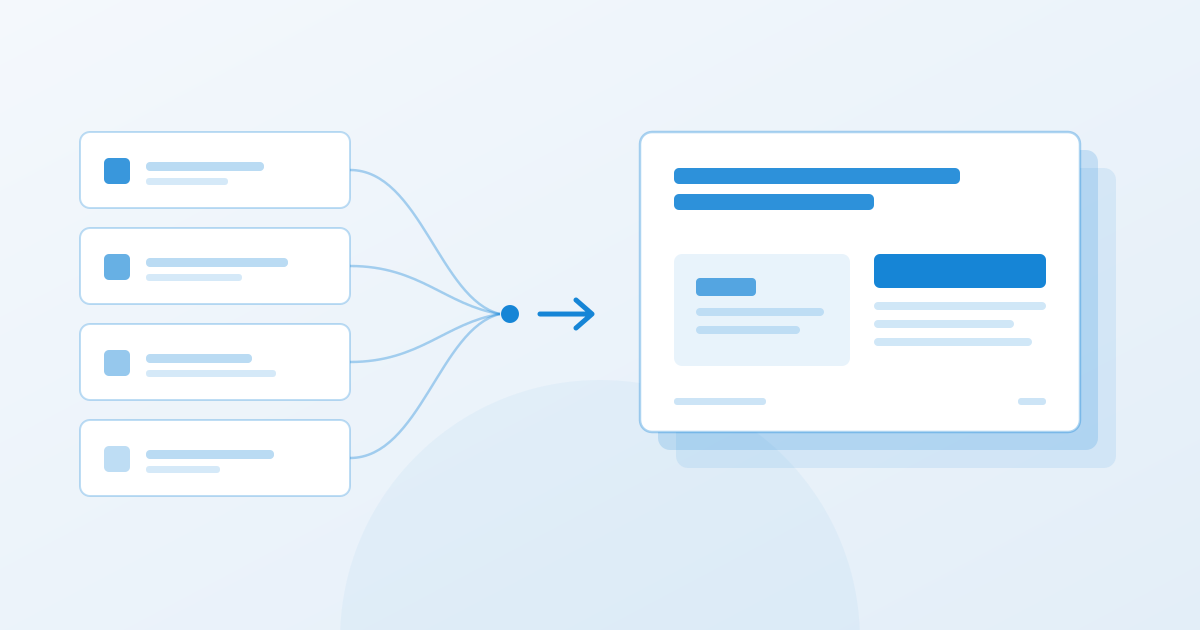
Generic slides do not come from a mediocre AI. They come from a generic brief. Here are the four inputs that actually determine the output, the brief that works, and the research finding that tells you what to cut.
From Excel to PowerPoint: moving your numbers without corrupting them
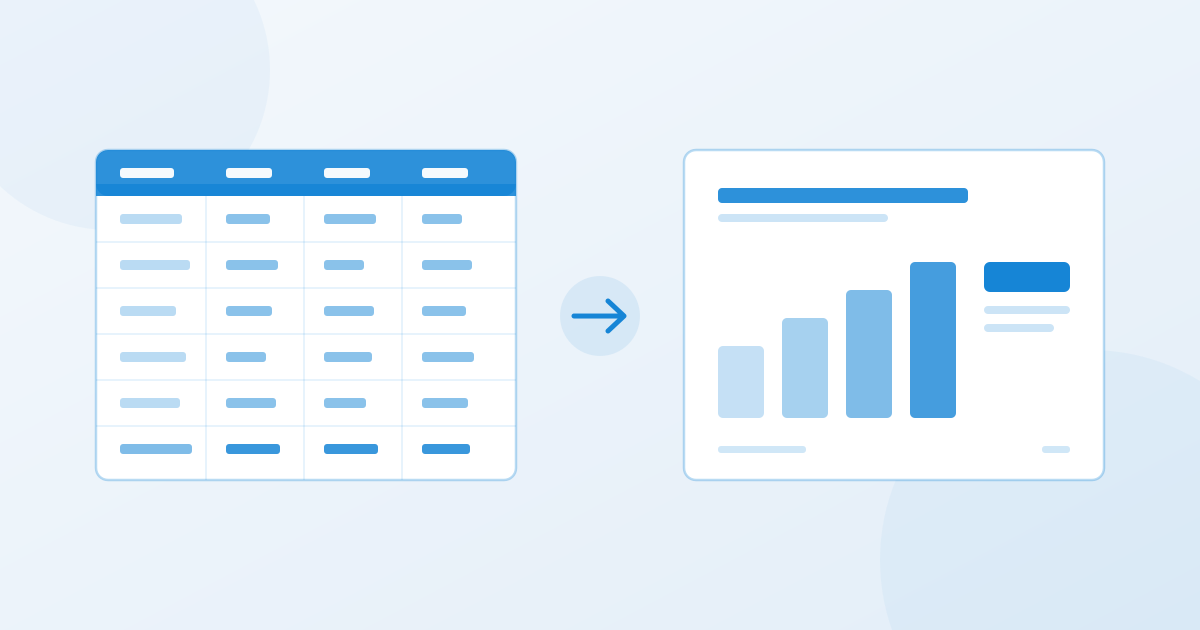
The move from spreadsheet to slide is where numbers degrade most. Pasting freezes them, links break, and retyping introduces errors. Here are the three possible regimes, their real risks, and how to choose between them.
The board-ready slide: anatomy of a structure that gets decisions made
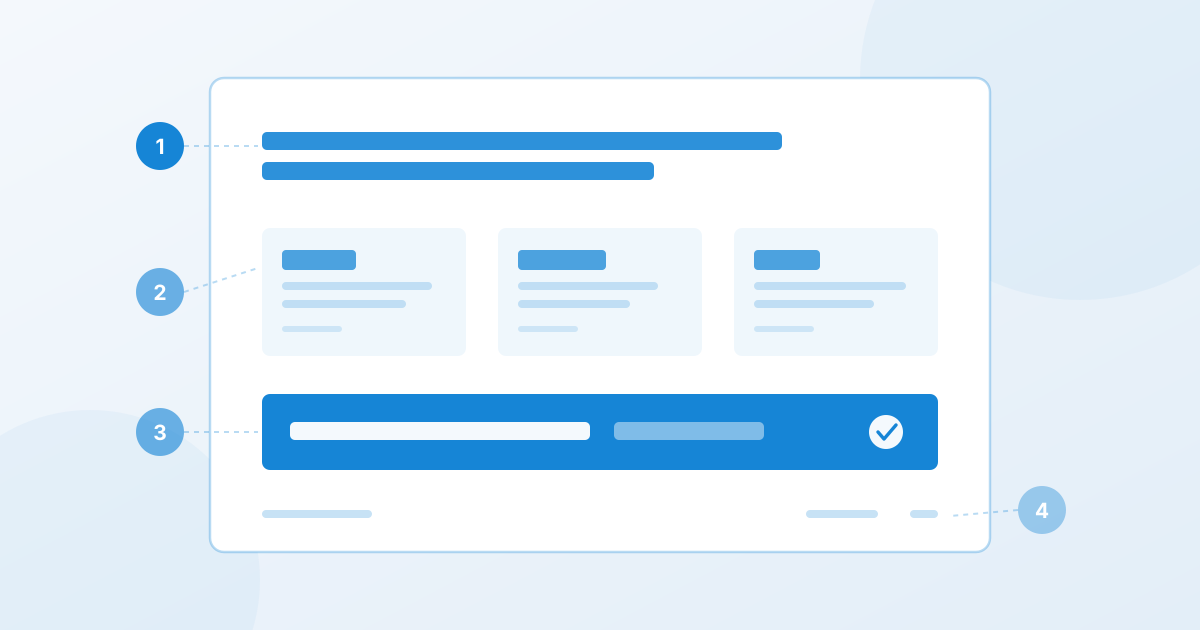
A board does not read a presentation. It arbitrates. That changes how the slide has to be built. Here is the anatomy of a board slide that lands, the three mistakes that sink it, and the test to run before you walk into the room.
Your brand guidelines are an asset, not a suggestion: here is how AI breaks them
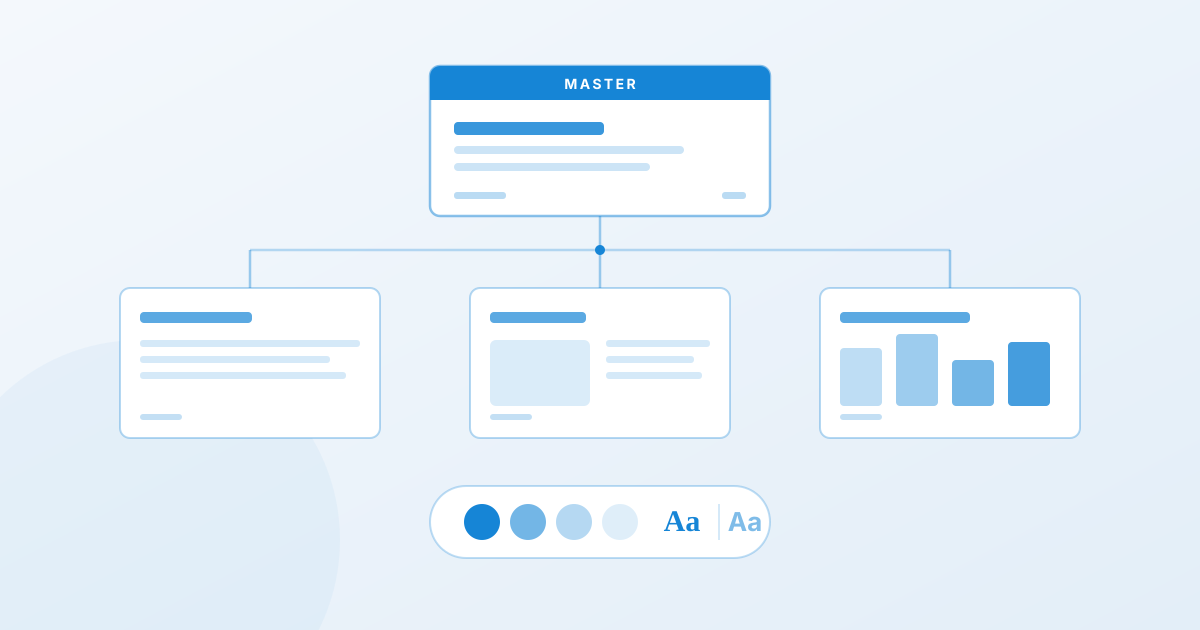
You hand a generator your corporate PowerPoint template and get back slides that are almost on brand. That "almost" has a precise technical explanation. Here are the four failure modes, and a 30-second test to tell a compliant deck from a convincing imitation.

The September reset: building the planning deck without losing your weekend
September is when the annual plan, the team kickoff and the budget trajectory all land in the same week. Here is a method for producing those decks without burning your weekends, and an honest account of what AI actually contributes.
Steering committee: the weekly deck without losing your evening
The steering committee comes back every week with the same slides to update and the same decisions to obtain. A structure that does not move, figures that do, and a method to stop starting from scratch.
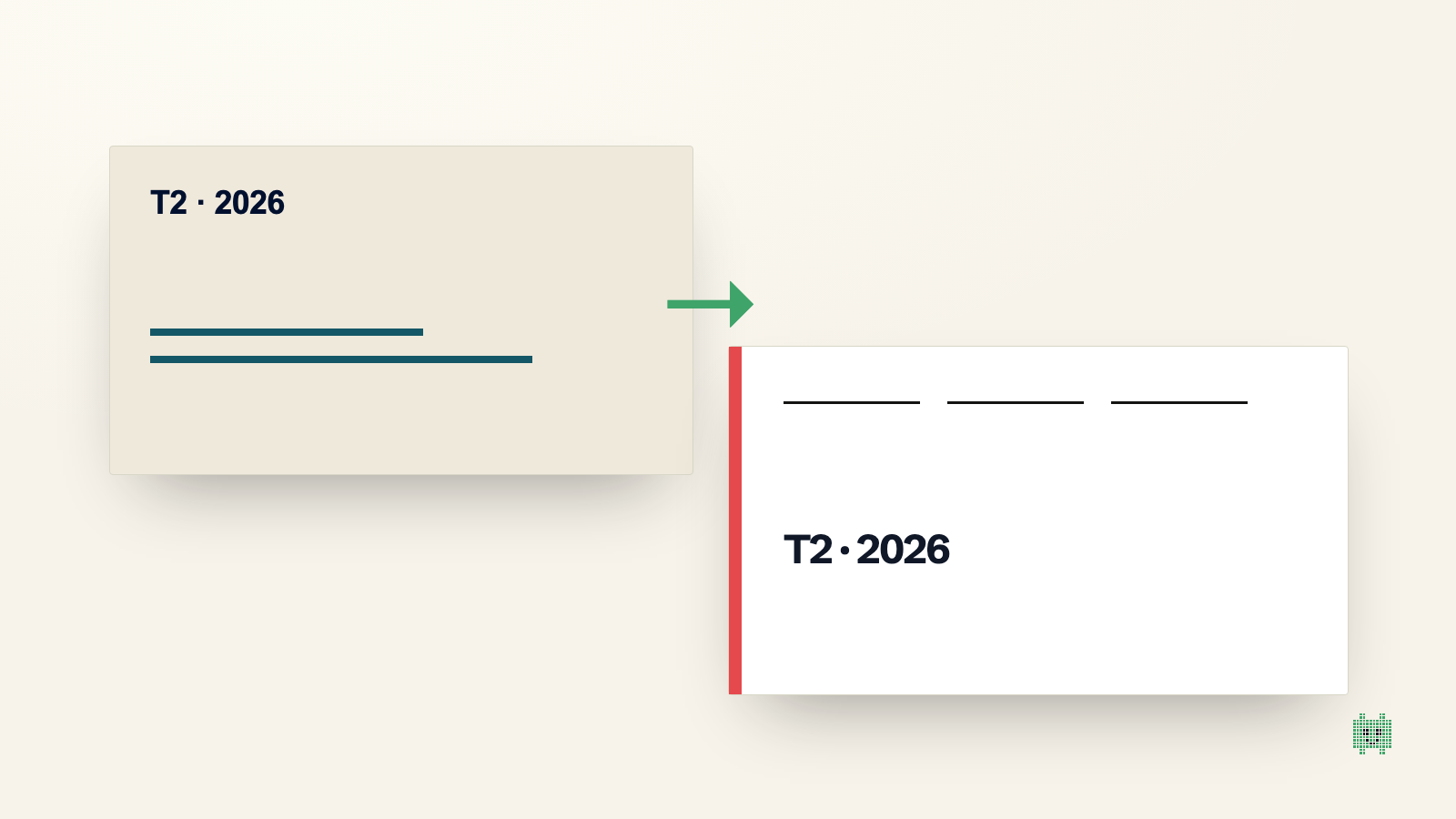
Moving a PowerPoint deck to a new template without redoing it
A new brand, a merger, a client that imposes its own template: moving an existing deck into another template is one of the most thankless jobs there is. What breaks, what must survive, and how to go about it.
Consulting firms: delivering in the client's template without rebuilding the deck
The client wants the final report in their template, not yours. Here is how to treat that request as a production rule instead of an end-of-engagement chore.
You designed a beautiful PowerPoint template. Why does nobody use it?
Brand teams and agencies deliver polished templates, and six months later find decks that no longer look like them. It is not a discipline problem, it is a tooling problem.